
Interview: Edgel Groves Jr, CEO of Viral Giveaways Platform PassPass

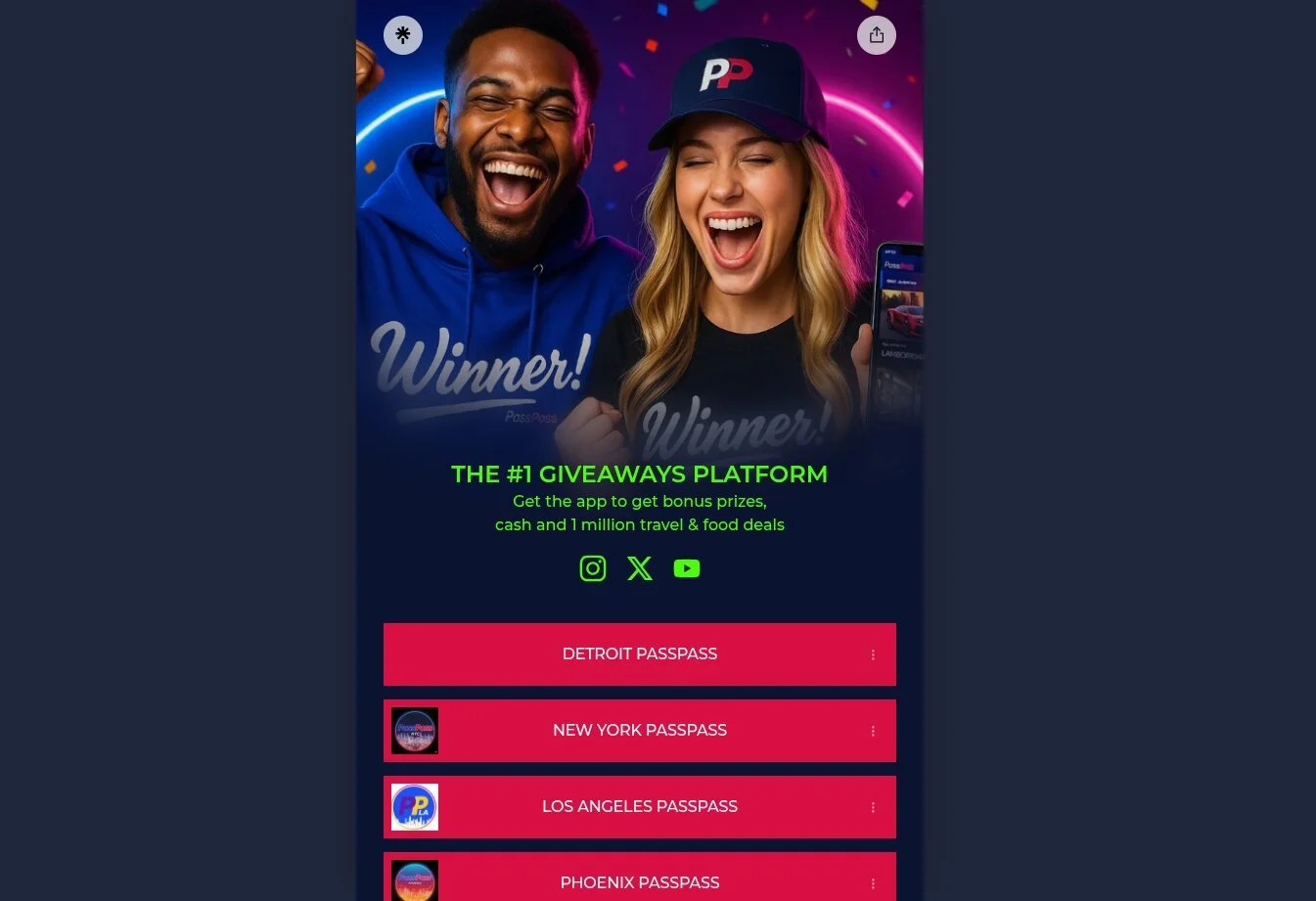
NxtNow Music is grateful to PassPass CEO Edgel Groves, Jr for connecting with us for an exclusive Q&A. PassPass has become America’s #1 viral giveaways platform by blending social media giveaways, real-world scavenger hunts, and unique experiences into one fun, community-driven membership.
Their new platform, PassPass for Artists, offers music creators a fresh way to connect with fans through gamified adventures, memorable moments, and shareable excitement that helps build tangible engagement and loyalty in today’s crowded music landscape.
Below, Edgel describes how PassPass was created, and gives insight into why PassPass for Artists changes the game for music discovery.
Can you tell us the origin story of PassPass? What necessity or moment sparked the initial idea, and how did your background in music as the founder of Cascade Music Group shape PassPass's early vision?
PassPass really started as a happy accident. At the time, I was running a media company in Nashville, and as a musician and former music exec, I was always thinking about ways to get people out into the real world and engaging with what was happening around them. We put together this “passport” concept that brought local businesses together, combining deals and discovery, and people loved it.
As we expanded into other cities, I started to see a bigger pattern. People were craving experiences. They wanted a reason to get off the couch, do something fun, and share that with other people. At the same time, giveaways and contests were everywhere, but they still felt pretty one-dimensional.
So PassPass became about taking those ideas and turning them into something more social, more interactive, and more rewarding. My background in music definitely shaped that. When you’ve worked with artists, you understand how powerful moments are and how a song tied to a real experience can stick with someone. That thinking is baked directly into PassPass. We’re creating moments people remember, and the soundtrack to those moments really matters.
You recently launched PassPass for Artists as a dedicated music discovery platform. Can you walk us through how it works for artists—specifically the submission process, review criteria, and how approved tracks get integrated into your real-world scavenger hunts, giveaways, and activations across cities?
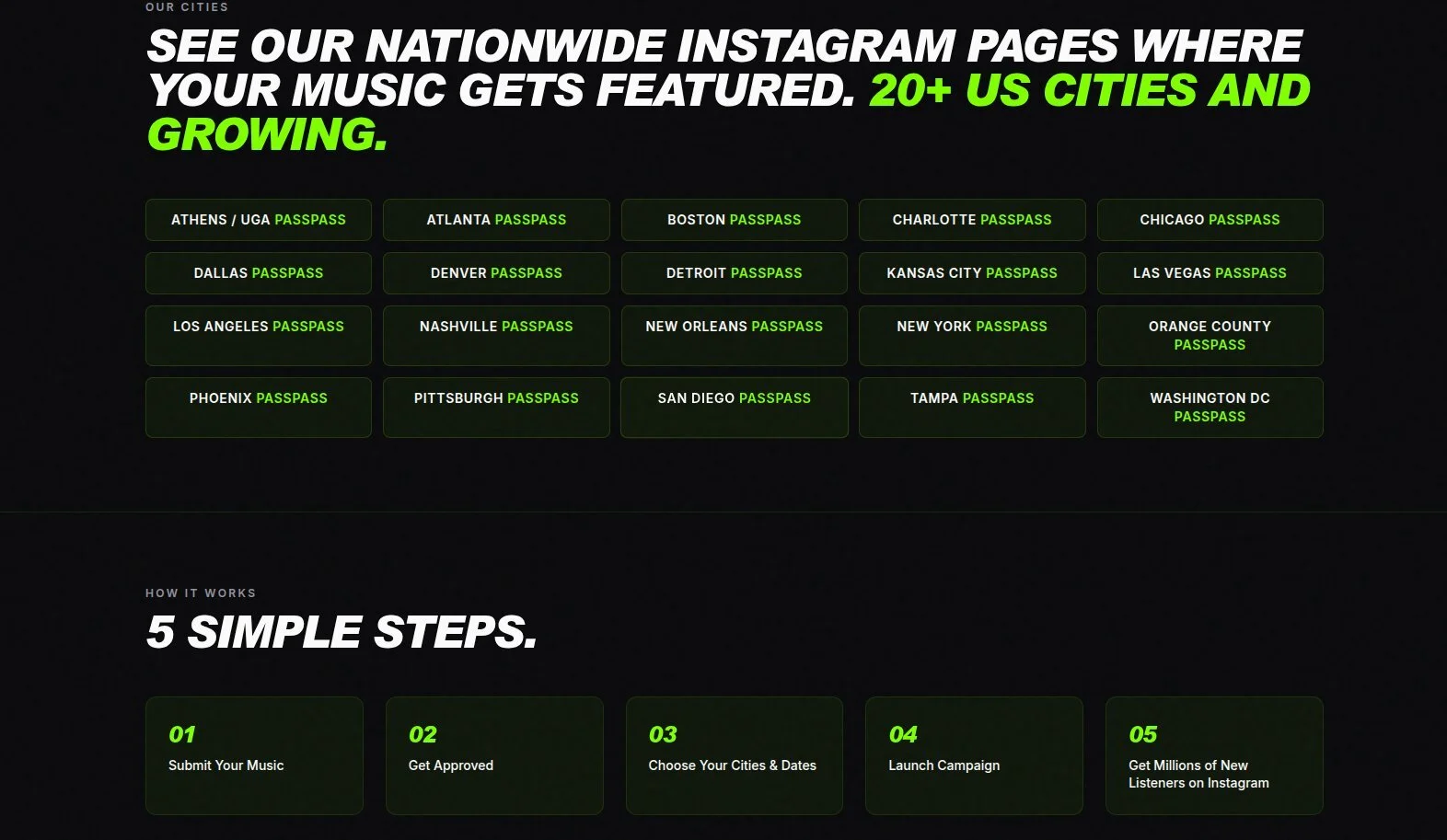
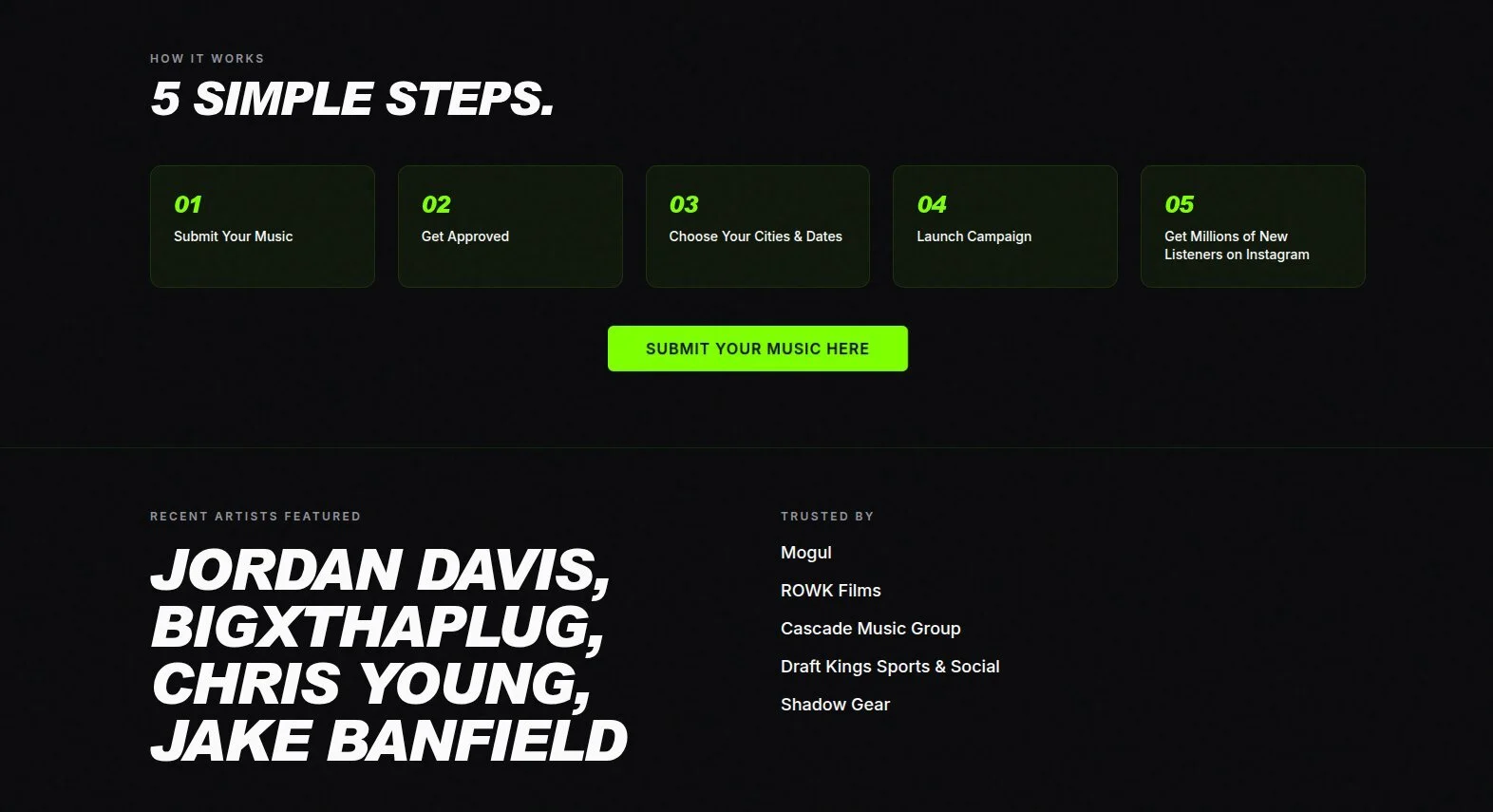
PassPass for Artists is built to be open and accessible. Artists and their teams can submit tracks directly through the platform, and from there our team reviews submissions. Once a track is approved, it can be woven into the ecosystem across our events and activations in more than 20 cities.
We integrate tracks into scavenger hunts, giveaways, and real-world moments where people are already engaged and having fun. Artists can even choose the cities and timing that matter most to them, offering intentional exposure they can actually watch fans engage with.
Unlike traditional streaming or social campaigns, PassPass for Artists places music inside gamified, in-person experiences. How does this innovative approach help artists break through the algorithm and create lasting fan connections?
What we’re doing is shifting music from something you passively consume to something you actively experience. Instead of hearing a track while scrolling, you’re discovering it while you’re out in the world, playing a game, following clues, or unlocking something with your friends.
That changes the relationship completely. You’re not just listening, you’re participating. The music becomes part of a moment, something tied to excitement, competition, or even winning. Those are the kinds of experiences people remember and talk about, and that’s where a deeper artist-fan connection really starts to form.
What results have artists seen so far from participating in PassPass activations? Are there any early success stories around fan engagement, streaming growth or market-specific breakthroughs that stand out?
PassPass has a built-in audience of more than 2 million fans and regularly generates over 100 million monthly song plays on Instagram, with more than 2 billion total plays since 2025.
Artists like BigXThaPlug and Chris Young have already tested PassPass for Artists and responded really positively. Our level of engagement stands out the most to me. None of these are passive impressions, these are real people showing up in real life, participating, and connecting that experience back to the music.
How does PassPass for Artists complement other tools in the music creator ecosystem, and what makes its “viral funtech” model effective for artists who want to target specific cities or campaign windows?
PassPass for Artists complements traditional music marketing tools by offering a way to activate fans in the real world. Most tools in the ecosystem are built around digital distribution or promotion. What we add is a real-world layer. We’re giving artists a way to activate fans physically, in specific cities, at specific moments in time.
The funtech model works because it flips the value exchange. Instead of interrupting people with ads, we’re giving them something they actually want to do. They opt in, they participate, and they’re rewarded for their time. That creates a much stronger connection, and it also makes campaigns feel more like events than promotions. For artists, that means you can beat the algorithm and build momentum in a market in a tangible and social way.
What’s next for PassPass for Artists, and what advice would you give to NxtNow Music’s community of creators who are considering submitting their tracks?
We’re continuing to expand what’s possible on the platform, especially around custom campaigns and drops that let artists go deeper and create more tailored experiences for fans. As the platform grows, so does the opportunity to plug into bigger moments and larger audiences.
For artists thinking about submitting, I’d say this is about meeting fans in a different way. If you’re open to your music living beyond streaming platforms and becoming part of real-world experiences, there’s a real opportunity here. The artists who lean into that and think creatively about how their music shows up are the ones who are going to get the most out of it.