
Interview: Tuned Global’s Con Raso on Superfans, Social Radio, and the Future of Music Discovery
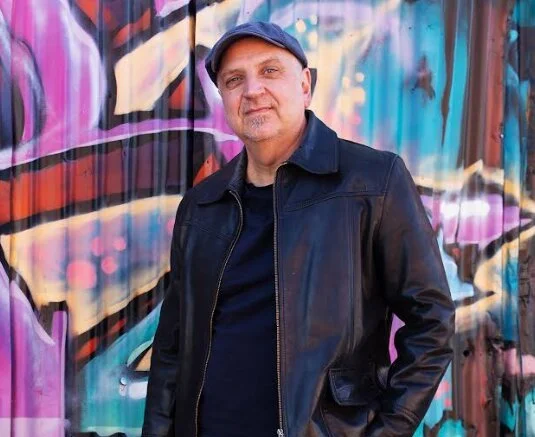
In NxtNow Music’s latest in-depth interview with Tuned Global’s Con Raso, he opens up about the exciting shift happening in music streaming — moving away from passive, algorithm-driven listening toward deeper community engagement and true superfandom. As platforms work to build stronger loyalty and meaningful connections between artists and fans, Tuned Global is providing the technology and tools behind social features, live interactive experiences, and new fan-powered mechanics for services around the world.
During our conversation, Con dives into what’s driving this change, why superfans matter more than ever, the opportunities for local and independent artists, and how participatory models are reshaping monetization and long-term artist careers.
At SXSW you discussed how the next era of streaming is moving away from passive listening, relying heavily on algorithms to foster deeper community engagement and superfans. What do you see as the biggest drivers of this transition, and why is it happening now?
The biggest driver is that access alone is no longer enough. For the first decade of streaming, the value proposition was very clear: all the music in the world, available instantly, at a relatively low monthly price. Catalogue size, search, playlists and recommendations are now expected. They are no longer enough to differentiate a platform, build loyalty or create a deeper emotional connection between fans, artists and the platform.
Fan behaviour has also changed. Audiences, especially younger fans, are used to participating in culture, not just consuming it. They comment, remix, share, create memes, join communities, support creators directly and build part of their identity around the artists they love. A lot of that energy is already happening on platforms like TikTok, Twitch, Discord and YouTube. The opportunity for music streaming services is to bring more of that participation back into the music experience itself.
Algorithms still matter, but they need better signals than skips, likes and repeat plays. Community engagement, fan-to-fan interaction, creator-led discovery, tipping, live reactions and social listening all reveal something deeper about intent and emotion.
The next phase of streaming will not just be about listening to music. It will be about creating shared moments around music, building communities inside the platform, and giving fans more ways to participate in the success of the artists they love.
Superfans reportedly generate a disproportionate share of revenue for artists today. Why is this happening, and how is Tuned Global evolving to identify, nurture, and reward these highly engaged fans?
Superfans generate a disproportionate share of revenue because music is not just background entertainment for them. It is part of their identity. A casual listener might stream a song when it appears in a playlist. A superfan will return to the artist repeatedly, share their music, talk about them, buy merch, attend shows, join communities and actively influence other fans.
That is why the industry needs to stop looking at fans only through the lens of play counts. The industry is beginning to understand that fandom is measured through a mix of behaviours: repeat listening, saves, playlisting, sharing, commenting, tipping, attending, purchasing and advocating.
Tuned Global's role is slightly different from a consumer-facing DSP because we power other music services. We help those services build the infrastructure to understand and activate fan behaviour in their own context, under their own brand, rather than asking them to send users somewhere else.
With Social Radio, for example, any streaming service can plug a live, interactive, social music experience into its own platform as a white-label solution. Artists, creators, DJs or fans can host live music shows, speak to listeners, interact through comments and reactions, and, with tipping, open up new direct support opportunities. That creates a new engagement layer for the platform and a new data layer for understanding fandom.
Platforms are starting to introduce new mechanics, such as badges, patronage tools, and fan identity features. How are these tools changing the relationship between artists and listeners, and what impact have you seen thus far on fan loyalty and artist careers?
These tools are changing the relationship from a one-way broadcast into a two-way connection. A fan could listen to an artist thousands of times, but that loyalty was largely invisible. The artist might see the aggregate streams, but not necessarily the individual fans who were consistently showing up, sharing the music, influencing others or spending beyond the subscription.
The new mechanics bring some of that relationship back into the music environment. A badge can signal identity. A tip can signal appreciation. A live comment can create a moment of direct interaction. These things matter because superfandom is often about recognition and belonging as much as consumption. Fans want to be seen by the artist, but they also want to be seen by other fans.
LINE MUSIC in Japan, a Tuned Global client, has introduced superfan mechanics where users can identify themselves as superfans of specific artists. Badges then become a public expression of fandom inside the community. They can also be connected to benefits such as merch, meet-and-greets or other exclusive experiences.
For artists, especially emerging or independent artists, that can be powerful. They need a core group of fans who will return, share, support and help build momentum. When a platform gives those fans tools to participate, it effectively turns them into a digital street team.
Algorithms have powered much of the streaming boom, yet they often fail local and regional artists. What are some shortcomings you've seen, and how is your platform addressing the discovery gap for artists outside of mainstream global trends?
Algorithms are very good at scale, but they can struggle with cultural nuance. They often optimise around what is already popular, what looks similar to past behaviour, or what performs well globally. That can disadvantage local and regional artists, especially in markets where the same language is shared with much larger music economies.
For example, in an English-speaking market like Australia, New Zealand or parts of Africa, local artists may be competing algorithmically with the US and UK simply because the language overlaps. But culture is not the same as language. A song can matter deeply in a city, region or community even if it does not fit the global trend line.
We see this clearly with some of the regional services we support. In certain markets, the mission is not to replicate a global DSP. It is to protect and grow local music culture. Greenland is a good example of a market where a local service can help artists avoid being drowned out by global catalogues. We see similar motivations in other regions where local artists need a platform that understands cultural context, not just global consumption patterns.
Tuned Global addresses this by giving platforms the tools to build discovery models around their own market logic. That can include local catalogue prioritisation, editorial and cultural curation, user cohorts, social signals, fan engagement data, and community-led discovery. In the SXSW discussion, I mentioned one service where local repertoire represented only a small percentage of the catalogue, but because the platform focused on local fandom and discovery, that repertoire generated the majority of streams. That shows there is demand for local music when audiences are given a fair opportunity to find it.
The future of discovery should not be algorithm versus human curation. It should be algorithm plus cultural intelligence, plus community signals, plus local knowledge.
There's currently a rise in participatory experiences like remixes, creator tools, live interaction, and social features. How do you envision these participatory streaming models evolving, and what opportunities do they create for both fans and artists?
I think participatory streaming will become one of the main ways music services differentiate over the next few years. The basic streaming experience will still exist. But around that core experience, we will see more social, creator-led and interactive layers.
That is where we see Social Radio playing an important role. It allows music services to add live, interactive shows inside their own platform, under their own brand. These shows can be hosted by artists, creators, DJs or even fans, with voice, music, chat, reactions and tipping creating a more participatory experience. Fans can join a moment, interact with the host, discover music through people they trust, and feel part of a community. And artists can create new ways to activate their audience, test new music, reward their most engaged fans and open new forms of direct support.
We also see a strong appetite from fans to interact with music itself, not only the community around it. That was part of the vision behind Pacemaker, which Tuned Global acquired. With AutomixIQ, we've been bringing that kind of DJ-style experience into any music service. Listeners activate automatic, seamless transitions, or go further and edit the mix themselves with Studio.
The key challenge with participatory music experiences is licensing. That is why we focus heavily on creating tools that are engaging but licensing-friendly. AutomixIQ gives fans a more expressive way to engage with music, while keeping the experience within a licensed environment and avoiding the creation of permanent derivative works.
Fan-powered royalty models and direct support systems are gaining traction. How do these approaches change monetization for independent artists compared to traditional streaming payouts, and what role will they play in the broader music industry over the next 3–5 years?
I think there are two revenue streams, traditional streaming revenue and direct artists support – both are high impact to the artist.
Traditional streaming royalties are essential, but they were not designed to capture the full value of fandom. They are mostly based on consumption. Direct support models are based on intent. That is the big difference.
With the traditional pro-rata model, revenue is pooled and distributed largely according to share of total streams. That model can work well at scale, but it often favours the biggest artists and the highest-volume listening behaviours. Fan-powered and user-centric models try to create a closer link between the listener and the artists they actually support. SoundCloud has been one of the clearest examples, with its fan-powered royalties model directing a listener’s subscription or advertising revenue to the artists they listen to, rather than into a general pool. Deezer has also been experimenting with alternative royalty structures through its artist-centric model, designed to better reward active artist engagement and reduce low-value or fraudulent streaming behaviour.
For independent artists, these approaches matter because they recognise that a smaller but highly committed audience can be more valuable than a large passive one. A fan who streams specific artists is directly supporting those specific artists through their actions. Artists who engage directly with their fans are rewarded for their actions.
Direct artist support goes even further because it lets fans consciously contribute. It is about creating new moments where fans can choose to support an artist, a creator or a host directly, whether through tipping, patronage, exclusive access, digital identity, merch, ticketing or fan experiences. These revenue streams sit on top of traditional royalties and can help artists build more sustainable careers.
Over the next three to five years, I do not think these models will replace traditional streaming payouts. The industry is too complex for that, and consumption-based royalties will remain a foundation. But I do think direct fan monetisation will become a much more important layer. We will see more tipping, patronage, paid access, badges, exclusive fan experiences, creator-led shows and artist-community tools built directly into music services.
For Tuned Global, the opportunity is to help music platforms build those capabilities quickly and responsibly. Every market is different. In parts of Asia, gifting, tipping and fan identity are already deeply embedded in digital culture. In many Western markets, DSPs are only beginning to realise how important those mechanics are for loyalty and monetisation. Our role, through Tuned Global’s Music Cloud Platform, is to provide flexible technology, licensing infrastructure and engagement tools so each service can design the model that fits its audience, its catalogue and its commercial strategy.
The broader shift is that streaming is moving from a catalogue economy to a fan economy. The winners will be the platforms that understand not only what people listen to, but how they connect, participate and belong.